5 Ways to Reduce Airbnb & Booking.com Commission (Using Your Real Numbers)
Airbnb and Booking.com take 15–20% per stay. Five calm steps to use them for discovery while turning more guests into commission-free direct bookings.
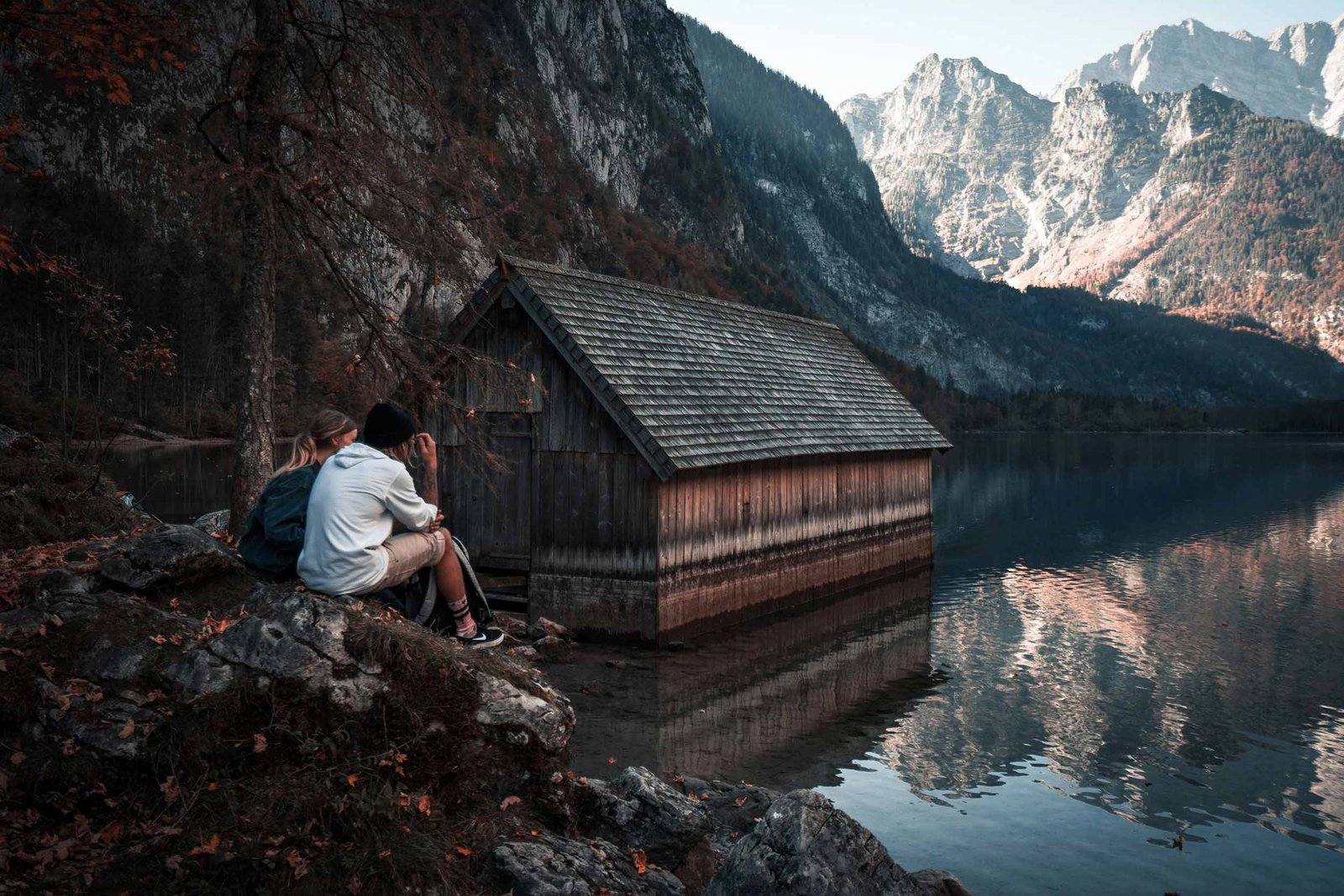
Most cabin owners start in the same place: list on Airbnb or Booking.com, wait for bookings to arrive, and accept that 15–20% of every stay goes to commission. It works — until you realise how much of your hard-earned revenue disappears before it ever hits your account.
This article is not about quitting Airbnb or Booking.com.
They are part of a healthy cabin business. They bring you new guests, social proof, and a steady stream of enquiries.
The question is different.
How do you keep using OTAs for discovery, while turning more of those guests into direct bookings on your own website next time?
That is where you reduce commission — calmly, step by step — using your real numbers.
The economics: why one direct booking matters
Before we get into tactics, let's put some simple numbers on the table.
- Airbnb often charges hosts around 14–16% in 2026 in a "host-only" fee structure used in many regions.
- Booking.com's commission typically sits somewhere between 10% and 25%, with many hosts effectively paying around 15% per booking once all programmes are included.
On a €300 stay, a 15% commission is €45.
On a 40-night season, that can easily add up to €1,800–€2,400 per cabin every year, just in fees.
This is where Cabintale's core argument comes in.
Airbnb and Booking.com are not the enemy. They are your billboard on a busy road.
But when a guest loves your cabin and wants to come back, you should not pay the billboard twice.
The billboard effect: guests are already looking for you
Studies on the "billboard effect" show a simple pattern: guests discover a place on a big platform, then search for the property name on Google to see if they can book direct.
For cabins and cottages, that behaviour is even stronger:
- Guests browse Airbnb or Booking.com to find an area and a price range.
- They spot your cabin, save it, and maybe read reviews there.
- Before booking, they often type your cabin's name or combination of name + location into Google to see if you have your own website.
If they find a clean website with a simple booking calendar and clear pricing, many will happily book direct — especially for a second or third stay. If they find nothing, they go back to the OTA and you pay commission again.
The billboard is already working in your favour. The only question is:
When guests search for your cabin name, do they land on your website or back on an OTA listing?
The five strategies below are about quietly shifting that balance.
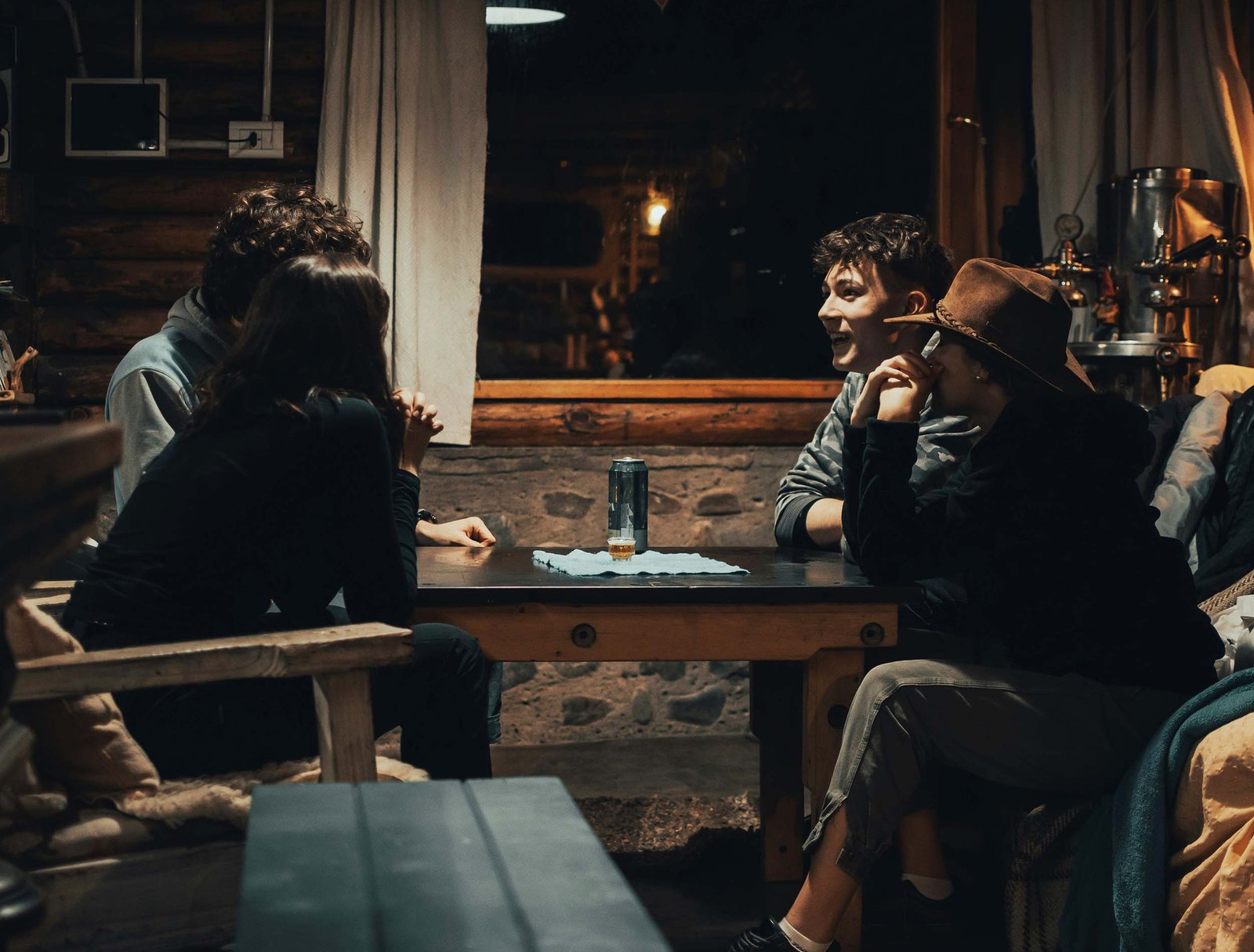
1. Talk to your guests and invite them back direct
The simplest way to reduce commission is still the most powerful: have a human conversation.
Your guests are already in the cabin. They already chose you. They already trust you enough to sleep in your place.
All you need to do is give them a clear path to come back without going through Airbnb or Booking.com again.
How to do it in practice
- At check-in or during a friendly chat, mention you have your own website where guests can book for their next stay.
- Leave a small card on the table with your cabin name, website URL, and a QR code that opens your booking page.
- At checkout, remind them: "If you ever want to come back, you can book directly on our website — it's easier for both of us."
To make it concrete, you can offer a repeat-guest perk, for example:
- A small returning-guest discount compared to your public OTA rate
- Free late checkout, a bottle of local wine, or firewood included for direct repeat stays
- Slightly more flexible cancellation terms than on OTAs
The goal is not to undercut OTAs aggressively. The goal is recognition: "This is our place. This is our website. Next time, you can come straight to us."
Cabintale's job is to make sure that when they type your name into Google or scan that QR code, they land on a booking calendar that feels as simple as Airbnb — but with no commission in the middle.
2. Use your own channels to send people straight to your site
Many cabin owners share links on social media or in messages that go straight to Airbnb or Booking.com. It feels natural: that's where the reviews are, that's where the guests can "see everything".
But every time you share an OTA link, you are training your own audience to book through a commission-based channel.
Instead, you can quietly flip that habit.
Where to point people
- Facebook and Instagram: When you post photos of the cabin, link to your website booking page, not to Airbnb.
- Facebook groups and communities: When someone asks for cabin recommendations in your region, reply with your cabin name and your website — the OTA can still appear in search if they want to check reviews.
- Friends and family: When you send your cabin to a friend or colleague, send the direct website link in the message.
- Email signature: Add a simple line: "Our cabin: [name] — book direct here" with the URL.
This is especially important for repeat or referred guests. If a guest loved their weekend and recommends you to their friends, the link they send should be your own site, not a listing you pay commission on.
A clear, mobile-friendly booking widget on your website turns that attention into commission-free reservations.
3. Give guests a reason to prefer direct booking
Many guests don't have a strong preference for where they book, as long as it feels safe and simple. OTAs have trained people to expect an easy flow and clear rules.
If your website feels just as straightforward, a small extra benefit is enough to tip the decision.
Direct booking advantages you can offer
You do not need to run huge discounts. A few calm advantages are enough.
- Best repeat-guest rate: Public prices stay aligned with OTAs, but returning guests who book direct get a better total price.
- More flexible dates: Maybe you can offer a Sunday checkout or a custom arrival day that your OTA listing does not allow.
- Local extras: A welcome basket, free firewood, sauna time, or kayak use for direct bookings.
- Clear communication: Let guests know that booking direct makes it easier for you to help them before and during their stay.
You can phrase it simply on your website:
Found us on Airbnb or Booking.com? Next time, you can book directly here. It's the same cabin, just without the commission in the middle.
Cabintale helps keep that promise by giving you a booking flow that feels familiar to guests who are used to Airbnb-style checkouts.
4. List on alternative channels that support your direct brand
Airbnb and Booking.com are the biggest billboards, but they are not the only ones. For cabins and cottages, there are often:
- Local cabin portals in your country or region
- Niche sites focused on nature stays or rural escapes
- Thematic guides and blogs that list recommended places
Some of these channels charge a flat yearly fee or a small fixed cost instead of a pure commission, and some allow or even encourage direct contact once the guest has found you.
The idea is not to move everything off Airbnb and Booking.com. The idea is to diversify your discovery layer:
- Keep your OTA listings active for reach and reviews.
- Add one or two smaller, more targeted directories or local portals.
- Make sure that in every profile, your cabin name is consistent and your website is easy to find.
When someone sees your cabin in multiple places, your brand feels more real — and when they search the name, your own website should be the thing they find first.
Cabintale's availability calendar and iCal sync make this manageable: OTAs, local directories, and direct bookings can share the same calendar, reducing your risk of double bookings.
5. Make your website the obvious next step
All of the tactics above depend on one quiet fact: when a guest looks for your cabin online, your website needs to be there — and booking needs to feel effortless.
What "ready for direct bookings" looks like
A cabin website that supports direct bookings should:
- Use your real cabin name in the title and headings, so guests who search it on Google can find you.
- Show simple, honest photos of the cabin, surroundings, and key details (beds, sauna, firepit, lake, etc.).
- Have a visible "Book now" button that leads to a calendar-based booking widget — not just a contact form.
- Let guests see availability, price, and total cost before they commit, just like on an OTA.
- Offer clear terms: minimum stay, check-in and checkout times, cancellation policy.
The technology behind it does not need to be complicated.
Cabintale was built so that a cabin owner who manages one to three places can add a direct booking calendar to an existing website in under an hour, with fixed pricing and no commission.
Once that is in place, the billboard effect starts working for you:
- Guests see you on Airbnb or Booking.com.
- They Google your cabin name.
- They click your site, see a familiar-looking calendar, and book direct.
The OTA still did its job — discovery and social proof — but the second booking happens on your own ground.
OTAs are allies, not enemies
It is tempting to think in extremes: "Stop using OTAs and go 100% direct." For most cabin owners, that is neither realistic nor necessary.
A calmer approach is more sustainable:
- Use Airbnb and Booking.com to keep your calendar busy and to collect genuine reviews.
- Use your cabin website and direct booking system to capture repeat guests and people who are already searching for your name.
- Over time, let the share of direct bookings grow, month by month.
You are not fighting the platforms. You are just making sure that when a guest falls in love with your cabin, they have a direct way to come back — without paying commission twice.